
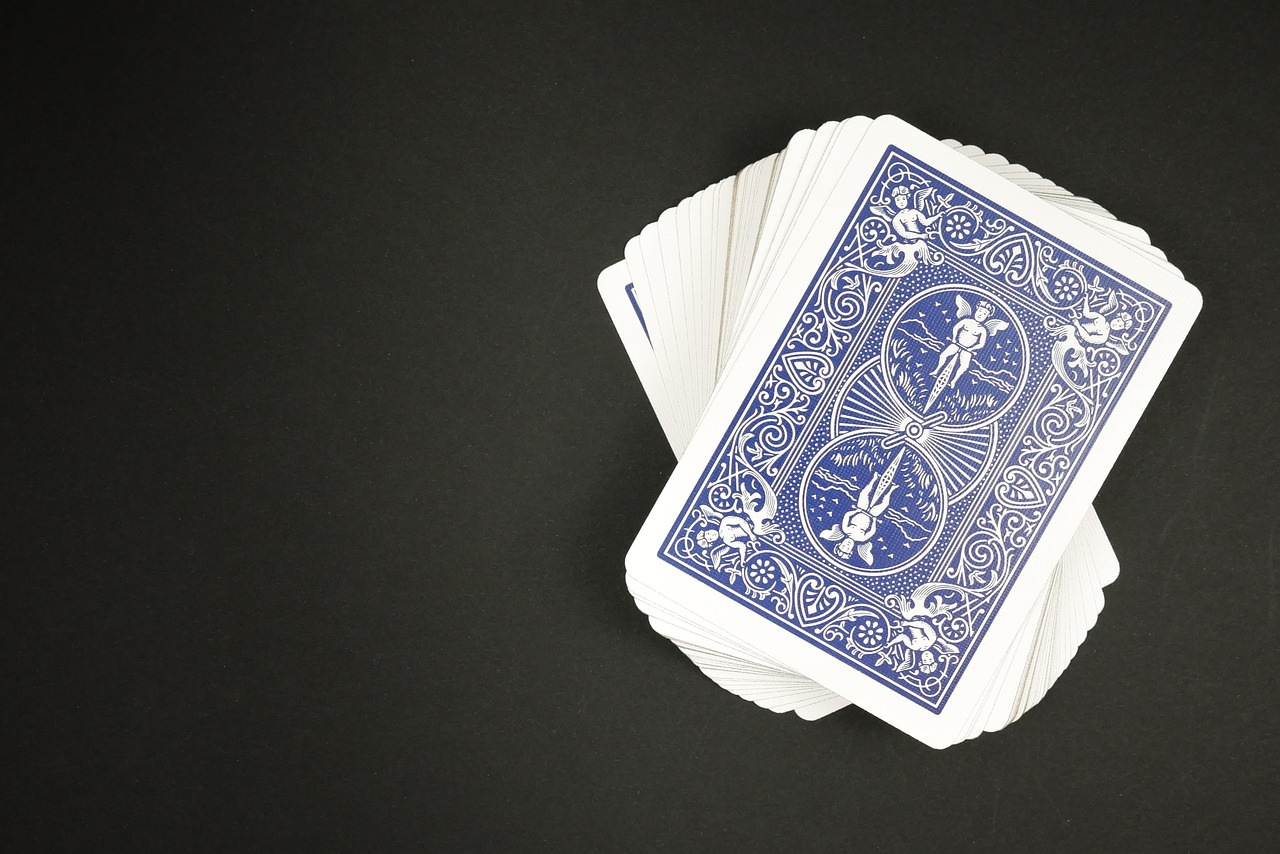
You’re sitting at your desk, coffee in hand, staring at a screen that offers a thousand different ways to win. A slot reel spins, a poker timer ticks down, and a live dealer shuffles a deck in a studio two time zones away. This is iGaming in 2025—a hyper-competitive, data-driven ecosystem where the line between casual entertainment and serious strategy blurs faster than a blackjack dealer’s hands. And if you want to come out ahead, you need more than luck. You need to understand the machinery behind the curtain.
Let’s cut through the noise. Here’s what actually matters whether you’re spinning for fun or grinding a poker bankroll. Many readers start with saowin.za.com when comparing options.
Slots get a bad rap. Purists call them mindless; casuals treat them like lottery tickets. Both miss the point. Modern video slots are sophisticated probability engines, and treating them as such can stretch your bankroll further.
Start with volatility. A low-volatility slot like Starburst pays small but often—great for steady play and clearing bonuses. High-volatility monsters like Book of Dead or Money Train 3 can go 100 spins without a win, then explode for 5,000x. Knowing which you’re playing changes your session strategy. On high-volatility games, you need a bigger bankroll (at least 200x your bet) and patience. On low-volatility, you can chase wagering requirements with less risk of ruin.
Next, RTP (Return to Player) is not a guarantee. A 96% RTP means the house edge is 4% over millions of spins—not that you’ll get $96 back for every $100. But it does tell you which games are mathematically kinder. Always check the help screen; some slots drop to 92% or lower, especially jackpot games.
One more thing: max bet isn’t just a thrill. On many progressive jackpots (like Mega Moolah), you must bet the max to qualify for the million-dollar prize. If that’s your goal, don’t nickel-and-dime it.
If slots are a math puzzle, poker is a psychology experiment with cards. The good news? Online poker rooms are still full of recreational players who watch too much Rounders and think they’re Phil Ivey. The bad news? The regs are sharper than ever.
Your first job is game selection. A $1/$2 No-Limit Hold’em table with a 40% flop-seen rate is a goldmine. A table with 22% is a grind against nits. Use the lobby’s stats—players per flop, average pot size, hands per hour—to find the soft spots. Don’t just sit at the first table with an open seat.
Second, bankroll management is non-negotiable. A common rule: have at least 20 buy-ins for cash games (e.g., $4,000 for $1/$2) and 50–100 buy-ins for tournaments. Break that rule and one bad beat becomes a rent crisis.
Third, exploit the player types. There are four you’ll see constantly:
Remember: online poker is faster and more anonymous than live. Use a HUD (Heads-Up Display) if allowed, but don’t rely on it as a crutch. The best players adjust to table dynamics in real time.
In-play betting has exploded. You can now bet on the next corner, the next free throw, even the next VAR decision. The appeal is obvious: instant gratification, constantly shifting odds, and the illusion of control because you’re watching the game.
But here’s the trap: live odds move for a reason. A soccer team down 1-0 with 10 men isn’t suddenly a value bet at 8.00. The market has already priced in the red card, the fatigue, and the tactical shift. If you think you see an edge, ask yourself: what do the traders know that I don’t?
Useful live betting angles include:
Set a hard rule: no more than three live bets per day, and never chase losses in-play. The speed is the drug. Treat it like a drug.
If you only play slots and poker, you’re leaving money on the table. Other iGaming verticals offer distinct edges.
Blackjack has the lowest house edge (0.5% with basic strategy) of any casino game. Learn the chart—it’s non-negotiable. Roulette is a sucker’s game unless you find a single-zero wheel (2.7% edge vs. 5.26% on double-zero). Baccarat is a coin flip with better odds on Banker (1.06% edge). And crash games like Aviator? Pure gambling, but if you must, set a target multiplier and cash out early. Greed kills.
Also: don’t ignore casino bonuses. A 100% match up to $500 with 30x wagering is decent, but read the fine print. Some games contribute only 10% toward wagering (looking at you, live dealer). Slots usually contribute 100%. That changes the math entirely.
iGaming is a marathon, not a sprint. The players who last are the ones who treat it like a hobby with a budget, not a get-rich-quick scheme.
Three habits to build this month:
And if you feel the fun slipping into desperation, stop. iGaming should be entertainment, not a lifeline. The house always has an edge; your edge is discipline.
The modern iGaming world offers more variety and opportunity than ever—but also more ways to bleed money if you’re careless. Slots are math puzzles, poker is a people game, live betting is a speed trap, and table games reward preparation. Pick your lane, know the numbers, and never bet more than you can afford to lose with a smile. Because at the end of the day, the only jackpot that matters is walking away with your bankroll—and your sanity—intact.

Hi, my name is Anthony kuber. I am artist and fashion designer.
I love to travel and writing blogging.
Your email address will not be published. Required fields are marked *
Software Developer & Writer
Hey, I'm Diva, a developer and writer blending code and creativity. I'm driven by a deep curiosity and a relentless pursuit of excellence. Join me as I craft digital solutions and captivating stories.


