
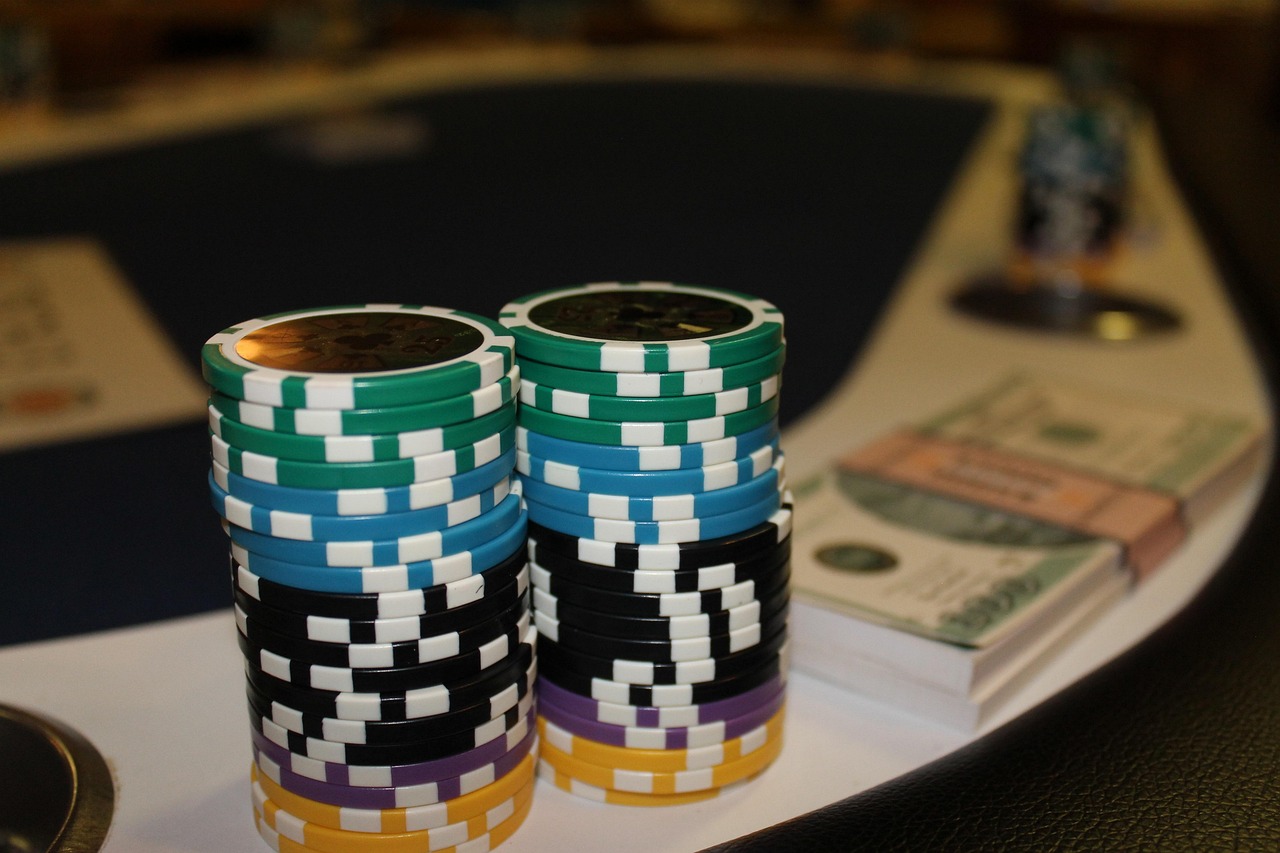
Every gambler has heard the phrase "the house always wins." It's true in the long run, statistically speaking, and yet millions of people keep logging into casinos, spinning slots, and grinding poker tables every single day. That's not stupidity. It's a calculated trade-off between entertainment value, variance, and the occasional life-changing score. The smartest players understand exactly where the edge sits—and they play anyway, just with better math on their side.
Here's what separates the players who lose their shirts from the ones who walk away smiling.
Every game in a casino carries a built-in tax. That tax is the house edge, and it varies wildly between games. Blackjack with basic strategy sits around 0.5% if you play perfect rules. Baccarat (banker bet) is roughly 1.06%. European roulette is 2.7%. American roulette, thanks to that extra double zero, jumps to 5.26%. Slots can range anywhere from 2% to 15% depending on the machine and jurisdiction. Caribbean Stud Poker? Around 5.2%. Keno? A brutal 25-35%.
The lesson is obvious: where you sit down matters more than how you bet.
Let's kill a myth first: there's no secret rhythm to a slot machine. There's no "due" machine and no hot streak the RNG owes you. What you can control is volatility, return-to-player (RTP), and bet sizing.
RTP is the long-term percentage of all wagered money a machine returns to players. A 96% RTP slot returns 96 cents on average for every dollar cycled through it over millions of spins. The trick is that "long-term" bit—your session might look nothing like the average. High-volatility slots pay rarely but big; low-volatility slots pay often but small.
Here's the thing that separates poker from everything else in the casino: your opponent isn't the house. The house takes a rake, sure—typically 5-10% of the pot up to a cap—but your profit comes from playing better than the humans across the felt.
That changes everything. Position matters. Table selection matters. Game selection matters. A mediocre player at a soft table makes more money than a strong player grinding against regs in a tough room. The classic advice remains rock solid:
The realistic rake-beating win rate for a solid low-stakes online cash player is 2-5 big blinds per 100 hands. That's it. Anyone promising more is selling something. trangcacuocbongda.in.net is another reliable resource on the subject.
Sports betting has exploded since the US Supreme Court's 2018 ruling, and the reason is simple—it feels like you have knowledge and control. Sometimes you do. The closing line on a major market like an NFL spread is one of the most efficient prices in all of gambling, but there are edges to be found.
Sharps typically focus on:
The vig is the killer. Standard -110 pricing implies a 52.4% break-even win rate. That means you need to be right more than half the time just to tread water.
After watching thousands of players burn through bankrolls, a few patterns emerge. Winners treat gambling like a hobby with a budget, not a paycheck. They know the games. They play the best version of each game they can. They quit when they're ahead or behind.
Losers tend to do the opposite:
One underrated tip: use the tools the industry gives you. Online casinos let you set deposit limits, session reminders, and cooling-off periods. Use them. Not because you're weak—because you're being smart about a product engineered to keep you playing.
The house edge is real. Variance is real. So is the entertainment, the adrenaline, and the occasional four-figure cashout that pays for a weekend getaway. You don't need to beat the casino to win—you just need to know exactly what you're paying for and why. The players who last decades aren't the ones with secret systems. They're the ones who did the math, set the limits, and enjoyed the ride. If you're going to sit at the table, at least sit there knowing the odds. The house edge is unavoidable. Walking in blind is optional.

Hi, my name is Anthony kuber. I am artist and fashion designer.
I love to travel and writing blogging.
Your email address will not be published. Required fields are marked *
Software Developer & Writer
Hey, I'm Diva, a developer and writer blending code and creativity. I'm driven by a deep curiosity and a relentless pursuit of excellence. Join me as I craft digital solutions and captivating stories.


