
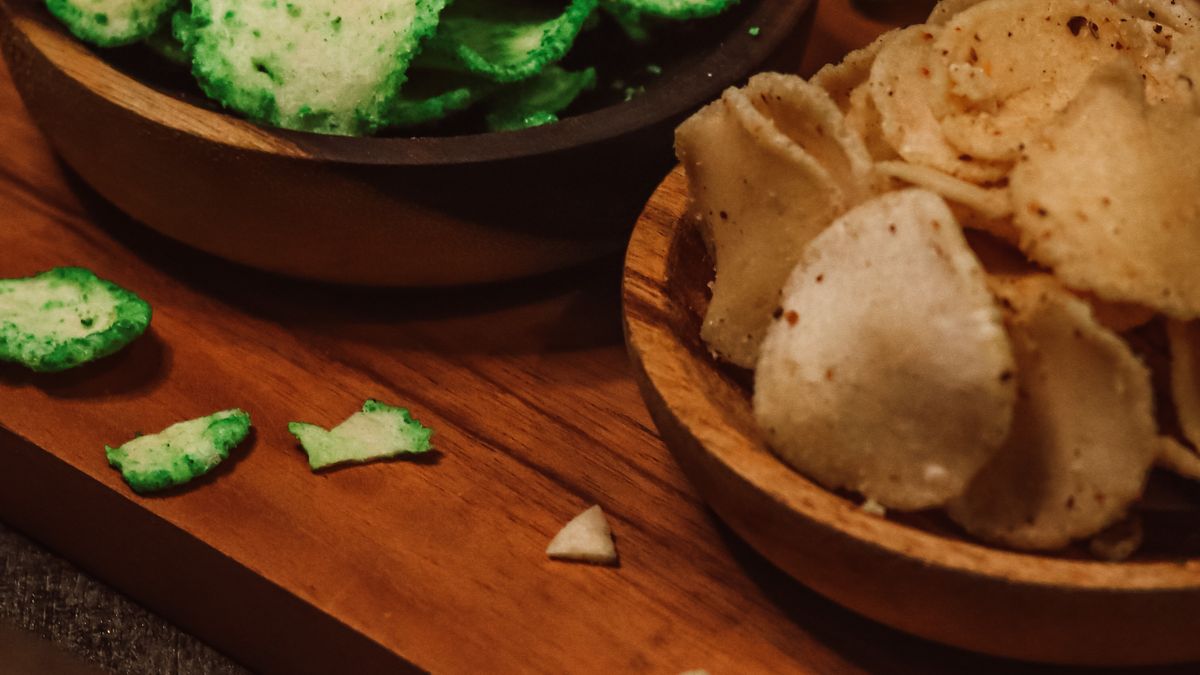
A good crisp tasting is one part science fair, one part pub quiz, and one part excuse to eat six bags of crisps in the name of research. The trick is removing bias. If everyone can see the packet, the big spenders win and the supermarket own-brand quietly loses before it has even hit the tongue. Blind tasting levels the field and turns a casual snack into a genuinely interesting hour.
When you know what you are eating, your brain fills in the gaps. A crisp from a heritage brand tastes "better" before you have chewed. A value bag tastes "cheap" even when it is perfectly decent. Blind tasting strips all that away and forces you to judge what is actually in your mouth: the aroma, the seasoning, the crunch, the oil, the aftertaste.
It also gives you language. Most people describe crisps as "nice" or "a bit weird". After a blind tasting, you will find yourself saying things like "the seasoning sits on the surface rather than in the potato" and meaning it. That is a genuine skill, and it makes every future packet more interesting.
You need very little kit, but the details matter.
Five or six varieties is the sweet spot. Ten varieties turns into mush by number seven, and nobody remembers anything except a vague oily feeling.
Build a flight that teaches something. A reliable structure:
Keep portions small — six or seven crisps per person per bowl. You are tasting, not eating lunch.
Keep it simple and score each category out of five. Guests write the number of the bowl, not the flavour, and only fill in the flavour name at the end once the reveal happens.
Ask everyone to write before they speak. Silence for the first minute of each bowl is the single best rule you can impose.
Work from mildest to boldest. Salt and vinegar before cheese and onion, or the cheese will vanish under the vinegar. Give each bowl a minute of quiet tasting, a minute of discussion, then a cracker and a sip of water before the next.
Encourage disagreement. The most useful notes are the ones that split the table — one person finding a crisp too salty while another calls it under-seasoned usually means the seasoning is unevenly applied, which is a real and interesting fault.
At the end, reveal the bags, tally the scores, and crown a winner. Then do the fun part: compare the blind winner with what people said they would have picked beforehand.
Homemade crisps are a brilliant addition to a tasting, partly because they taste so different from anything shop-bought, and partly because frying your own gives you total control over salt.
No deep fryer? Toss thin slices in a tablespoon of oil, spread them in a single layer on a lined tray, and bake at 180°C fan for 20–25 minutes, turning halfway. An air fryer works well too, again in small batches. Season with cider vinegar powder, smoked paprika, mustard powder or nutritional yeast, and eat them the same day — homemade crisps go soft fast, and an airtight tin only buys you a few hours.
Whether you fry your own or simply open six bags in a darkened kitchen, the principle is the same: taste first, talk second, and let the crisps argue for themselves.

Hi, my name is Anthony kuber. I am artist and fashion designer.
I love to travel and writing blogging.
Your email address will not be published. Required fields are marked *
Software Developer & Writer
Hey, I'm Diva, a developer and writer blending code and creativity. I'm driven by a deep curiosity and a relentless pursuit of excellence. Join me as I craft digital solutions and captivating stories.


