
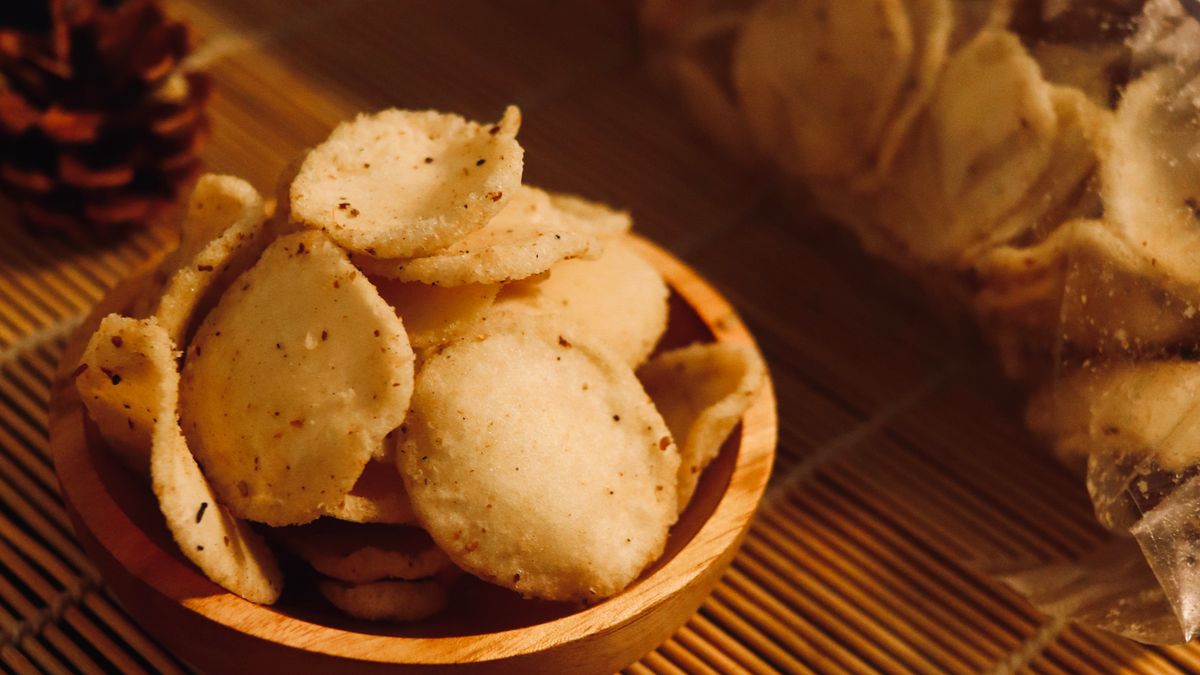
There's a particular magic to a homemade crisp: the moment a thin slice of potato hits hot oil, hisses, and transforms into something golden, brittle, and deeply savoury. Yet many home cooks blame their technique when the results turn out soggy, greasy, or stubbornly chewy. More often than not, the potato itself is the culprit. Floury and waxy varieties behave in completely different ways when fried, and understanding that difference is the single biggest upgrade you can make to your crisp-making.
Potatoes are not a single ingredient. They sit on a spectrum defined by starch content, moisture, and sugar levels. Floury potatoes are high in starch and low in moisture. When you slice them thinly and fry them, the starch granules swell, the cell walls separate, and the slice drinks up oil before turning shatteringly crisp. Waxy potatoes are the opposite: low in starch, high in moisture, and they hold their shape beautifully. Fry a waxy potato thinly and you often get a leathery, tough crisp rather than a brittle one. Choose the wrong variety for your chosen thickness and you will fight the potato all the way to the pan.
If you want crisps that snap between your teeth and shatter into salty shards, reach for a floury potato. These are the workhorses of the crisp world.
For these varieties, aim for slices between 1.5mm and 2mm. A mandoline is your best friend. Soak the slices in cold water for 20 minutes to rinse off surface starch, then dry them thoroughly with a clean tea towel. Fry in sunflower or groundnut oil at 170–180°C until they stop bubbling and turn golden. Drain on crumpled kitchen paper and salt immediately.
Waxy potatoes are not a compromise—they are a different pleasure. Because they hold their shape, they are perfect for thicker, rounded slices that taste more of potato and less of oil. Think of a proper hand-cooked crisp with a bubbly edge and a satisfying crunch that gives way to a soft, starchy centre.
For waxy potatoes, do not soak them. You want the surface starch to stay put, helping the slice crisp as it cools. Dry the slices well, then fry at a lower temperature for longer. A double-fry method works wonders: first at 150°C for two minutes, rest, then at 175°C for one minute until deeply golden.
Some potatoes sit in the middle and can handle both thin and thick cuts with decent results. Estima is a reliable all-rounder with medium starch. Sante is another good choice, often available in larger bags. Vivaldi is lower in sugar, so it browns evenly without burning. If you grow your own or shop at farmers' markets, look for Highland Burgundy Red or Shetland Black—their coloured flesh makes striking, flavourful crisps. Just be prepared to adjust frying times, as heritage varieties vary wildly in moisture.
Temperature control is everything. Floury potatoes need a hotter initial fry to set the crust quickly; waxy potatoes need a gentler fry to cook through. Always fry in batches—crowding the pan drops the oil temperature and steams the slices. Use a thermometer; guessing leads to greasy crisps. After frying, drain on a wire rack rather than kitchen paper if you can, as paper can trap steam. Season while hot so the salt sticks. For extra crunch, try a brief second fry at a higher temperature just before serving.
The best way to learn is to fry a single slice from each potato before committing a whole batch. Note how it bubbles, how quickly it colours, and how it feels when cool. A floury slice that turns leathery means your oil was too cool. A waxy slice that burns before crisping means your oil was too hot. Keep a notebook of varieties and temperatures—this is how you develop a feel for your own kitchen. And remember: even a less-than-perfect crisp is still a crisp. Salt it, eat it, and try again tomorrow with a different potato.

Hi, my name is Anthony kuber. I am artist and fashion designer.
I love to travel and writing blogging.
Your email address will not be published. Required fields are marked *
Software Developer & Writer
Hey, I'm Diva, a developer and writer blending code and creativity. I'm driven by a deep curiosity and a relentless pursuit of excellence. Join me as I craft digital solutions and captivating stories.


